

Understanding Landscape Upkeep Costs

Maintaining a beautiful outdoor space requires more than just initial design and installation. It demands ongoing care, attention, and investment. When planning your landscape, understanding the costs involved in upkeep is essential. This knowledge helps you budget wisely and ensures your property remains a stunning retreat year-round.
Breaking Down Landscape Upkeep Costs
Landscape upkeep costs vary widely depending on the size of your property, the complexity of the design, and the types of plants and materials used. Regular maintenance tasks include mowing, pruning, fertilizing, irrigation system checks, pest control, and seasonal cleanups.
Here are some key factors that influence these costs:
Property Size: Larger yards require more labor and materials.
Plant Selection: Exotic or delicate plants often need specialized care.
Irrigation Systems: Automated systems reduce manual watering but require maintenance.
Hardscape Elements: Patios, walkways, and water features need periodic cleaning and repairs.
Frequency of Service: Weekly visits cost more than monthly or seasonal check-ins.
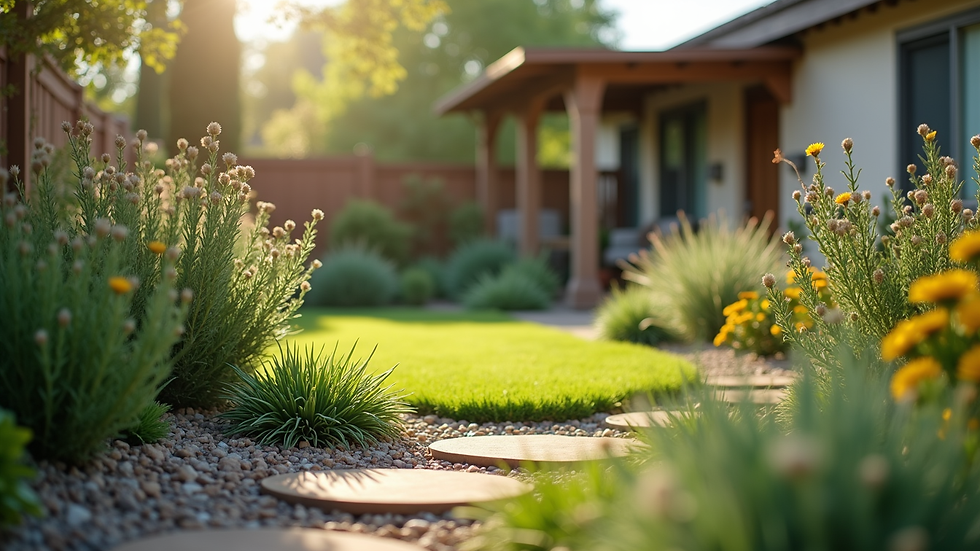
For example, a small San Diego yard with drought-tolerant plants and drip irrigation will cost less to maintain than a large garden with lush lawns and exotic flowers. Understanding these variables helps you make informed decisions about your landscape.
What is the most expensive part of landscaping?
The most expensive part of landscaping often lies in the initial installation of hardscape features and large-scale planting. Elements like stone patios, retaining walls, and custom water features require skilled labor and quality materials, which drive up costs.
However, when it comes to ongoing expenses, lawn care and irrigation tend to be the biggest contributors. Lawns need regular mowing, fertilizing, aeration, and pest control. Irrigation systems require monitoring, repairs, and seasonal adjustments to avoid water waste and plant stress.
In San Diego’s climate, water management is critical. Efficient irrigation reduces water bills and keeps plants healthy, but installing and maintaining these systems can be costly. Choosing native or drought-resistant plants can lower these expenses over time.
How to Manage Your Landscape Maintenance Cost
Controlling your landscape maintenance cost starts with smart planning and regular upkeep. Here are practical tips to keep expenses manageable:
Choose Low-Maintenance Plants
Opt for native species and drought-tolerant plants. They require less water, fertilizer, and pest control.
Invest in Quality Irrigation
Automated drip irrigation systems save water and reduce labor. Schedule regular inspections to prevent leaks.
Schedule Regular Maintenance
Consistent care prevents costly repairs. Weekly or biweekly visits keep your landscape healthy and attractive.
DIY Simple Tasks
Mowing, weeding, and light pruning can be done yourself to save money.
Plan Seasonal Cleanups
Remove debris and dead plants to avoid pest infestations and disease.
Hire Professionals for Complex Work
For pruning large trees, hardscape repairs, or pest treatments, rely on experts to avoid damage and ensure quality.
By following these steps, you can enjoy a beautiful landscape without unexpected expenses.

Understanding Seasonal Variations in Costs
Landscape upkeep costs fluctuate with the seasons. In San Diego, mild winters reduce the need for heavy winterizing, but summer heat increases irrigation demands.
Spring: Focus on planting, fertilizing, and pruning. Pest control may increase as insects become active.
Summer: Watering needs peak. Irrigation systems require close monitoring. Lawn mowing frequency rises.
Fall: Prepare plants for cooler weather. Clean up fallen leaves and debris.
Winter: Minimal maintenance but monitor for frost damage and irrigation system winterization.
Budgeting for these seasonal changes helps avoid surprises. For example, expect higher water bills in summer and increased labor costs during spring planting.
Why Professional Landscape Maintenance Matters
Hiring a professional team ensures your landscape receives expert care tailored to your property’s needs. Professionals understand local climate challenges, plant health, and efficient irrigation practices.
Benefits include:
Consistent Quality: Regular visits keep your landscape pristine.
Time Savings: Free up your schedule while experts handle maintenance.
Problem Prevention: Early detection of pests, diseases, or irrigation issues.
Increased Property Value: Well-maintained landscapes boost curb appeal and home value.
For San Diego homeowners seeking custom, high-quality landscape design and build, partnering with a trusted company like Sarita Landscapes Inc means your outdoor space stays beautiful and functional year-round.
Investing in your landscape’s upkeep is an investment in your home’s beauty and value. Understanding the costs involved empowers you to make smart choices and enjoy your outdoor space without stress. Start planning your maintenance strategy today and watch your landscape thrive.


Comments