

Understanding Landscape Upkeep Costs

Maintaining a beautiful outdoor space requires more than just initial design and installation. It demands ongoing care, attention, and investment. When planning your landscape, understanding the costs involved in upkeep is essential. This knowledge helps you budget wisely and ensures your outdoor area remains vibrant and healthy year-round.
Breaking Down Landscape Upkeep Costs
Landscape upkeep costs vary widely depending on the size of your property, the complexity of your design, and the types of plants and materials used. Regular maintenance tasks include mowing, pruning, fertilizing, irrigation system checks, pest control, and seasonal cleanups. Each of these contributes to the overall expense.
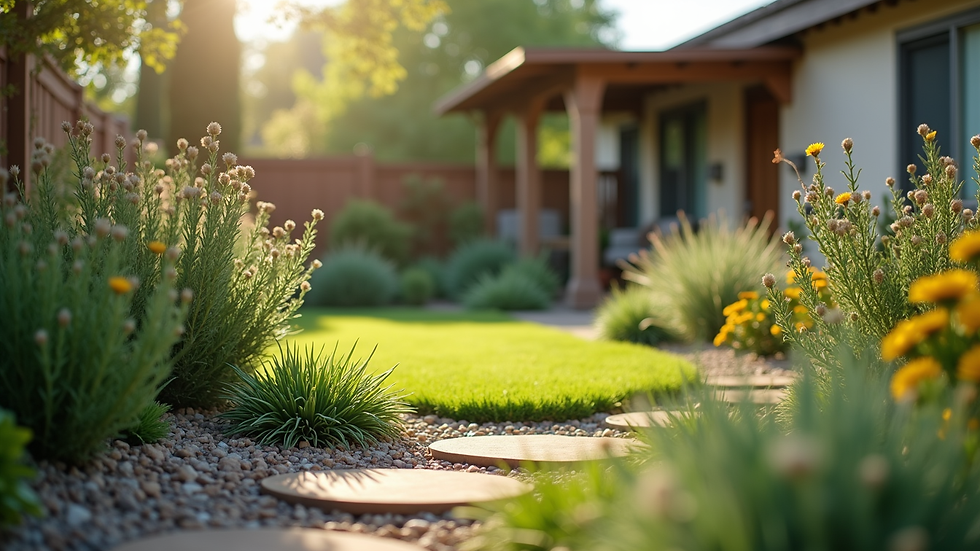
For example, a small yard with drought-tolerant plants will cost less to maintain than a large garden with exotic flowers and a complex irrigation system. Labor costs also play a significant role. Hiring professionals ensures quality work but comes at a premium.
To manage expenses, consider these factors:
Frequency of service: Weekly, biweekly, or monthly visits affect the total cost.
Type of plants: Native plants usually require less water and care.
Irrigation system: Automated systems reduce manual watering but need regular checks.
Seasonal needs: Some plants require special attention during certain times of the year.
Budgeting for these elements helps avoid surprises and keeps your landscape looking its best.

How Landscape Upkeep Costs Impact Your Property
Investing in landscape upkeep enhances your property’s curb appeal and value. A well-maintained yard creates a welcoming atmosphere and can even reduce energy costs by providing shade and wind protection. However, neglecting maintenance can lead to overgrown plants, pest infestations, and damaged irrigation systems, which are costly to fix.
Understanding the ongoing costs allows you to prioritize tasks and allocate resources effectively. For instance, regular lawn mowing and pruning prevent overgrowth and reduce the risk of disease. Fertilizing at the right times promotes healthy growth, saving money on plant replacement.
In San Diego’s climate, water management is crucial. Efficient irrigation and drought-resistant plants lower water bills and support sustainability. Planning your landscape with these factors in mind minimizes upkeep costs while maximizing beauty.
What is the Most Expensive Part of Landscaping?
The most expensive part of landscaping often lies in the initial installation of hardscape features and complex irrigation systems. Elements like patios, retaining walls, water features, and lighting require skilled labor and quality materials, which drive up costs.
However, when it comes to ongoing expenses, plant care and irrigation maintenance tend to be the largest contributors. Plants need regular watering, fertilizing, pruning, and pest control. Irrigation systems require periodic inspections, repairs, and adjustments to function efficiently.
For example, a custom-built stone patio may cost thousands upfront but requires minimal maintenance. In contrast, a lush garden with many delicate plants demands constant attention and can accumulate significant upkeep costs over time.
Balancing your landscape design between durable hardscape and manageable plantings helps control long-term expenses.

Tips to Manage and Reduce Landscape Upkeep Costs
You can take several steps to keep your landscape upkeep costs reasonable without sacrificing quality:
Choose native and drought-tolerant plants. These require less water and fewer chemicals.
Install an efficient irrigation system. Use drip irrigation and smart controllers to save water.
Schedule regular maintenance. Preventive care reduces costly repairs.
Mulch garden beds. Mulching conserves moisture and suppresses weeds.
Do some tasks yourself. Simple jobs like weeding and deadheading can save money.
Plan for seasonal changes. Prepare your landscape for dry and wet seasons to avoid damage.
By implementing these strategies, you maintain a healthy landscape while controlling expenses.
Why Professional Maintenance Matters
While DIY maintenance can save money, professional landscapers bring expertise and efficiency that protect your investment. They identify potential problems early, apply treatments correctly, and use specialized equipment.
Hiring a trusted company ensures your landscape receives consistent care tailored to San Diego’s unique climate. Professionals also help you plan upgrades and improvements that enhance your outdoor space’s functionality and beauty.
Remember, the landscape maintenance cost reflects the value of preserving your property’s appeal and health. Investing in expert care pays off in the long run.
Planning for Your Landscape’s Future
Understanding landscape upkeep costs empowers you to make informed decisions about your outdoor space. Whether you prefer a low-maintenance garden or a lush, elaborate design, budgeting for ongoing care is crucial.
Start by assessing your current landscape and identifying areas that need attention. Consult with professionals to create a maintenance plan that fits your lifestyle and budget. Regular reviews and adjustments keep your landscape thriving and your costs predictable.
With thoughtful planning and care, your outdoor space becomes a lasting source of enjoyment and pride.
By focusing on practical information and clear guidance, you can confidently manage your landscape upkeep costs and create a beautiful, sustainable environment around your home.


Comments